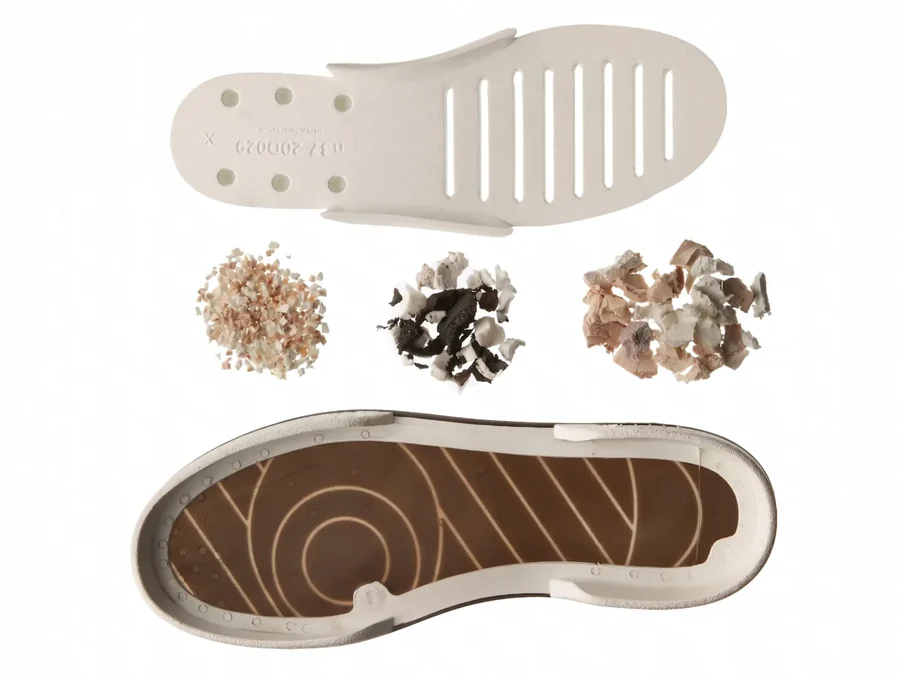
 01 / LEATHER RECYCLING
Soles
- Composition
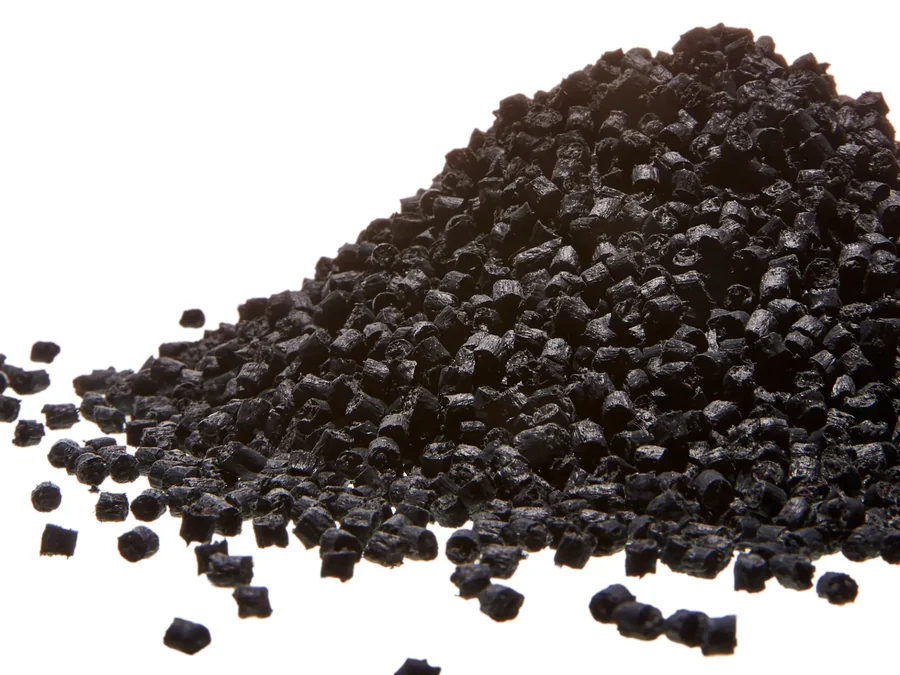
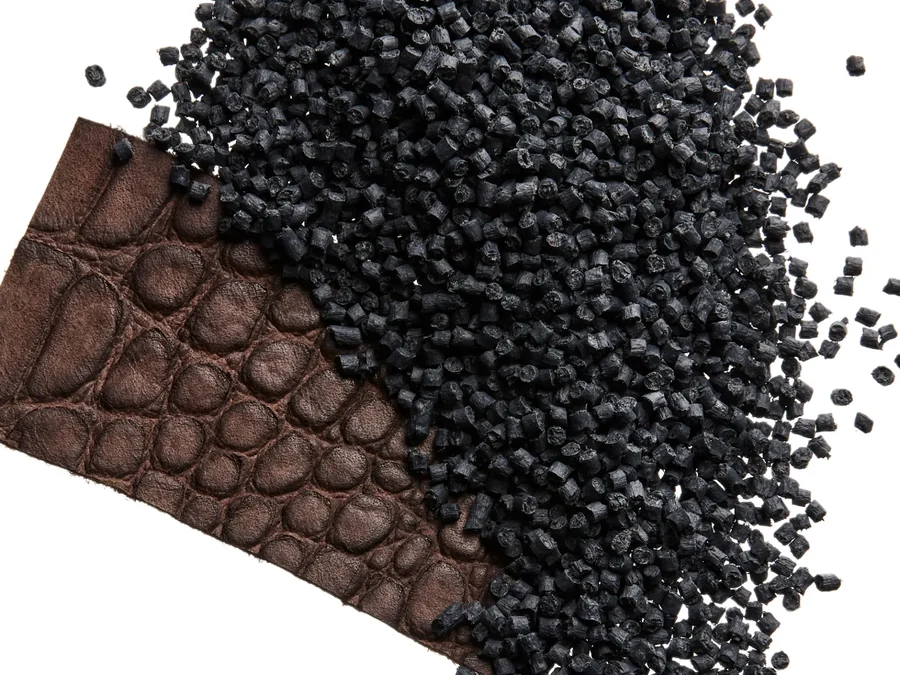
- L-TPU based two-component elastomeric foam
- Recycled content
- 40–50% recycled leather
- Suitable for
- Women’s footwear · Men’s footwear

We assess waste textiles, leather, plastics and metals, select certified recycling partners and document the resulting materials.
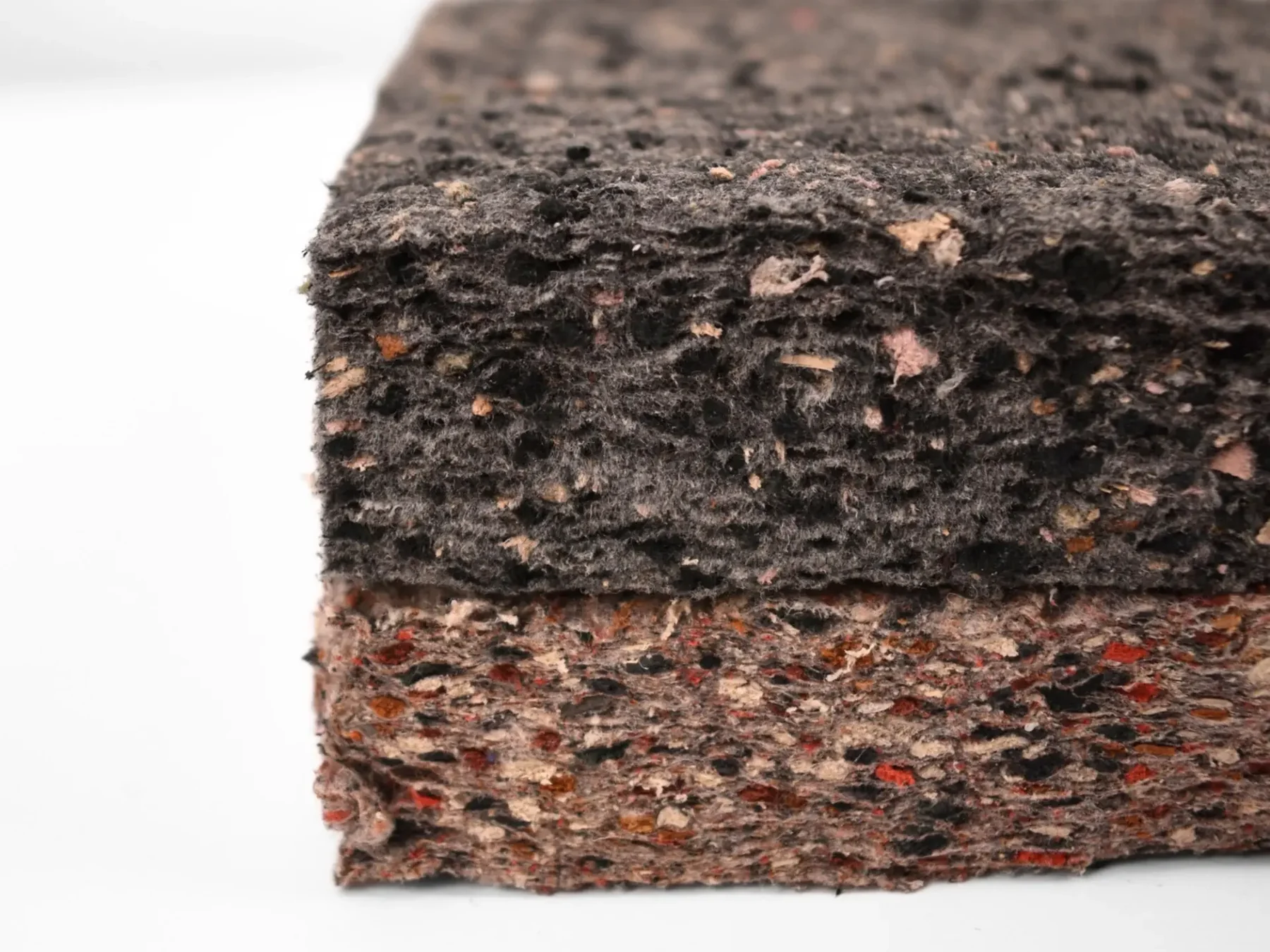 Textile and leather materials for recycling03 / 03
Our network of 1,000+ circular partners includes certified recycling plants for textiles, leather, plastics and metals. We develop recycling processes for your own products or another industry.
We coordinate recycling partners, logistics and reporting.
Adapting to each brand’s circularity goals.
The right solution for each case, not the same solution for every client.
Focused on post-production and post-consumer.
Production and logistics coordinated around your material.
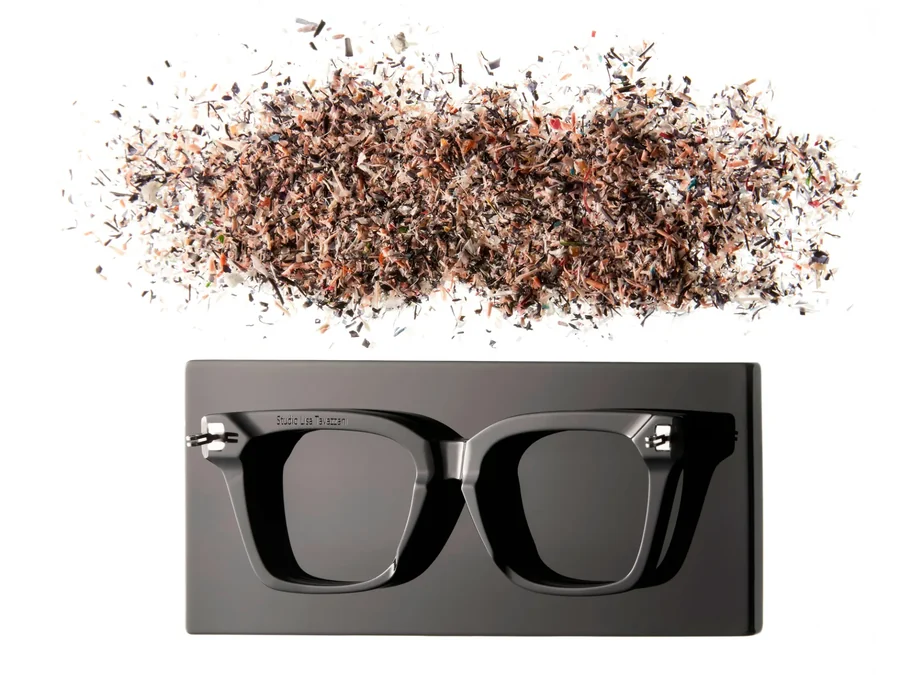
Shredding, recycling or reprocessing.

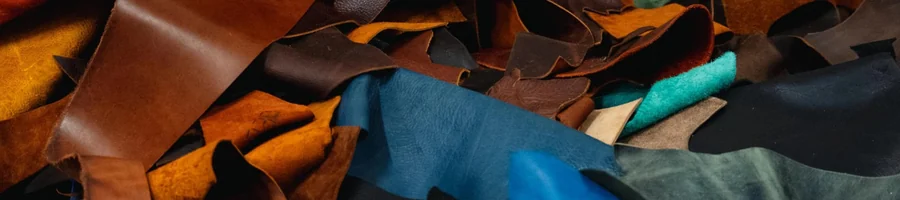
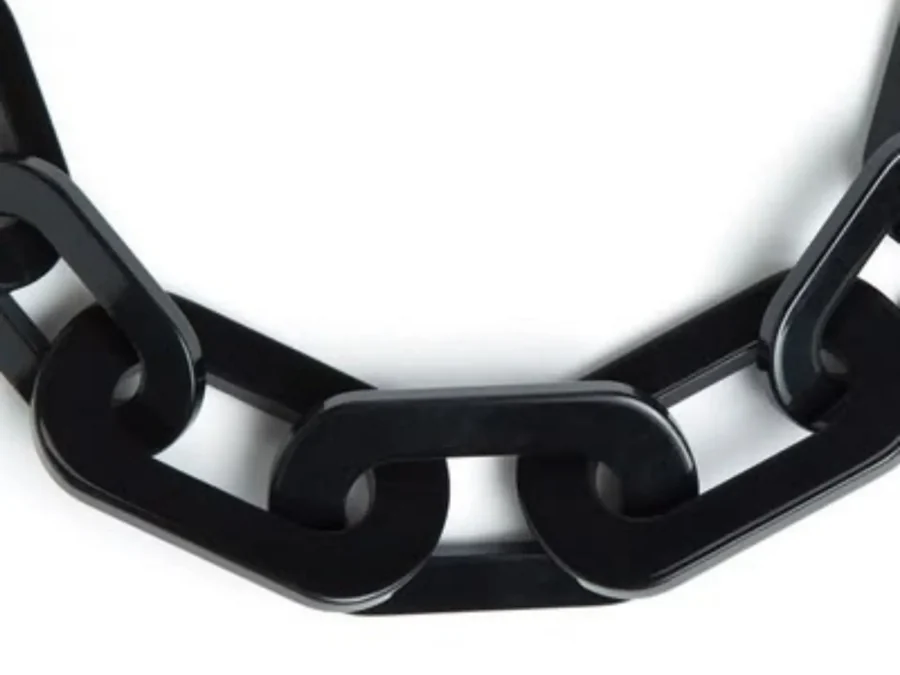
Explore leather, textile and other recycled materials. All the products shown here are recyclable.
 01 / LEATHER RECYCLING
 02 / LEATHER RECYCLING
 03 / LEATHER RECYCLING
 04 / LEATHER RECYCLING
 05 / LEATHER RECYCLING
 06 / LEATHER RECYCLING
 07 / LEATHER RECYCLING
 08 / LEATHER RECYCLING
 09 / LEATHER RECYCLING
 10 / LEATHER RECYCLING
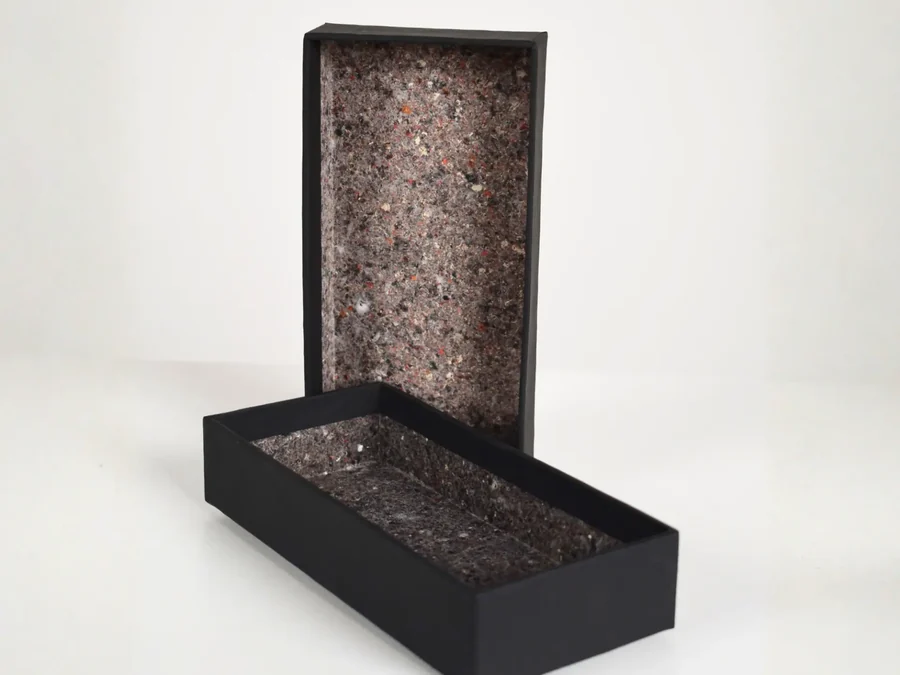 11 / LEATHER RECYCLING
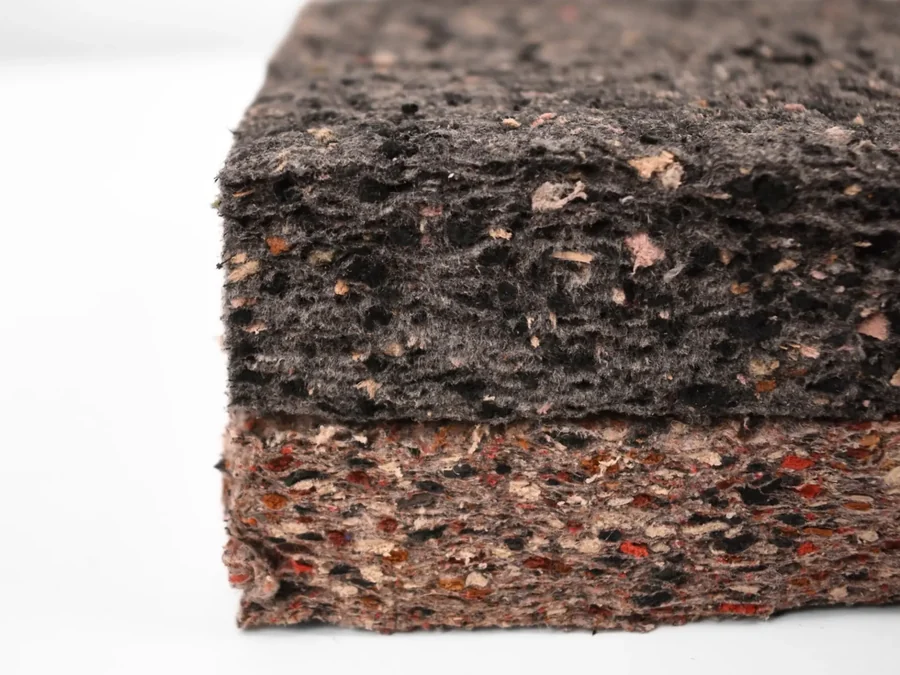 12 / LEATHER RECYCLING
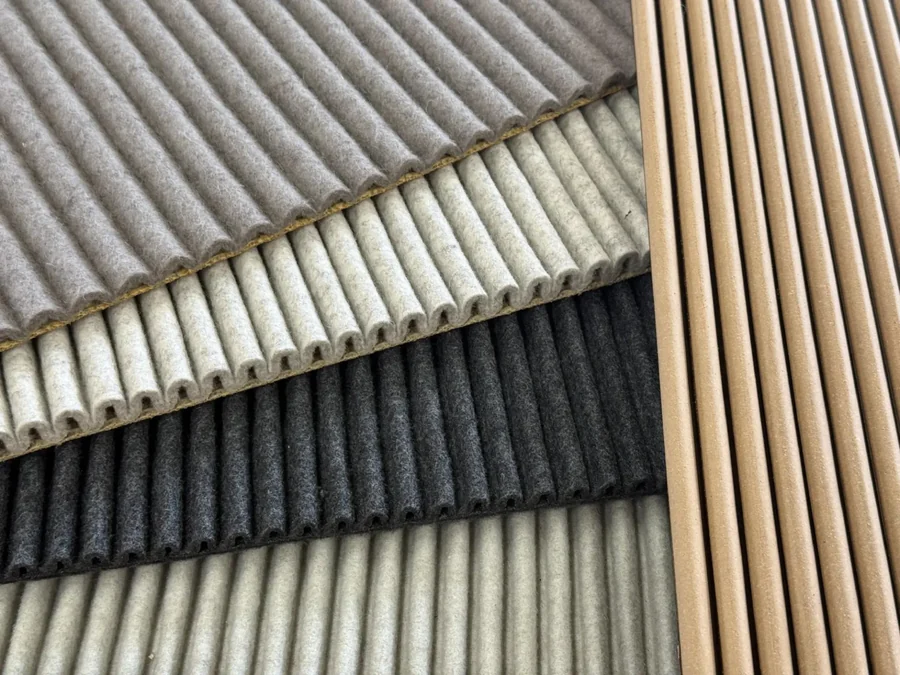 13 / LEATHER RECYCLING

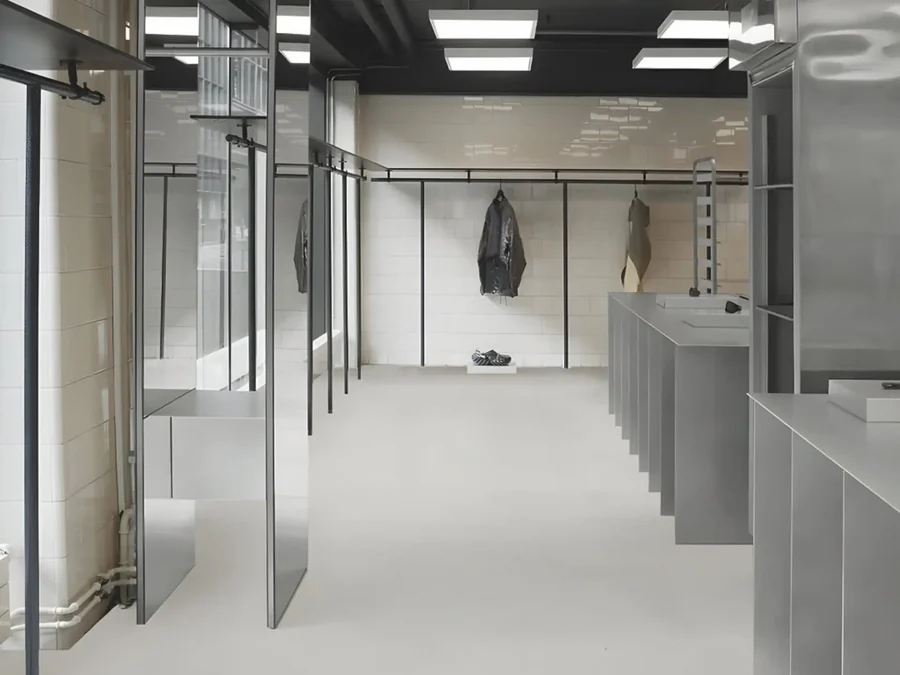
Temporary fit-out using fabric and leather remnants.

Furniture made from offcuts.

Carpets and rugs in recycled leather and nylon.
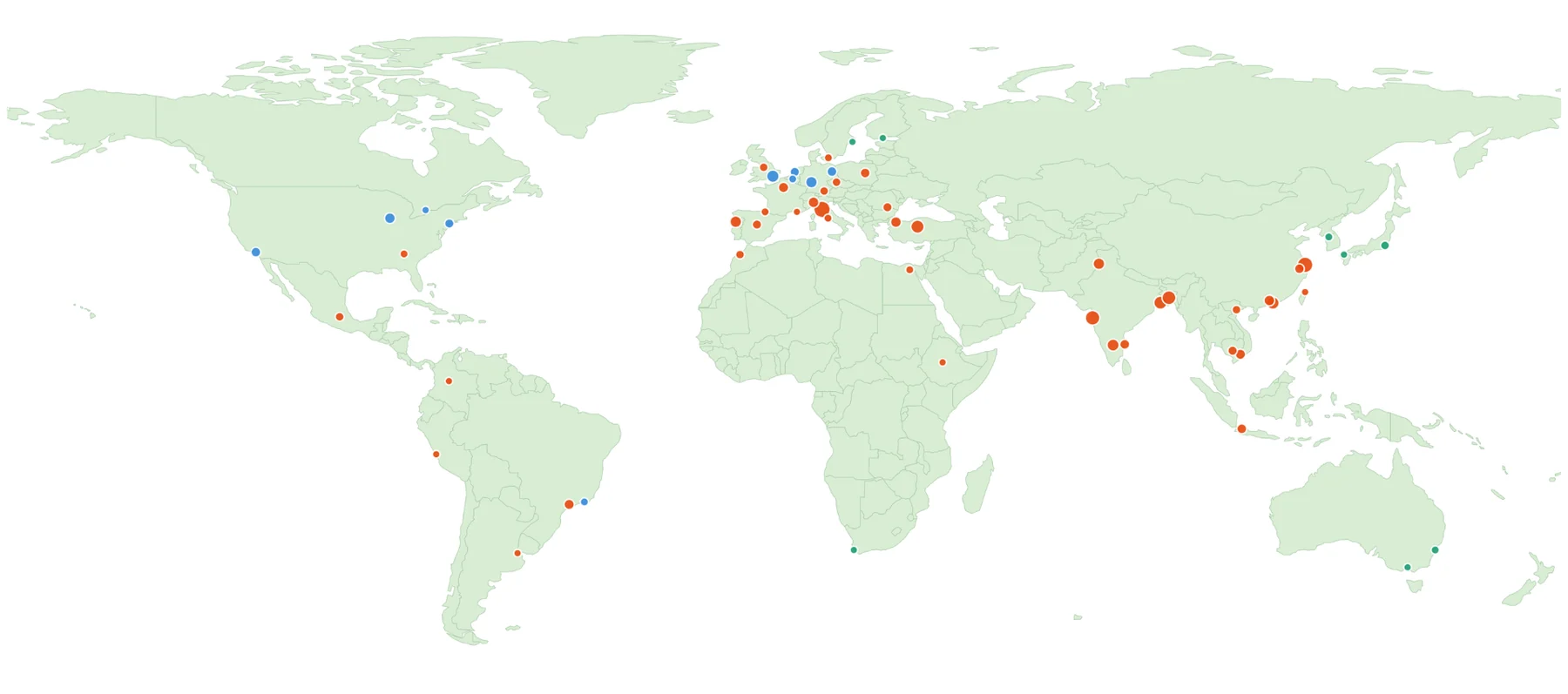
Certified plants, closed and open loop: textiles, leather, plastics, metals.
Verified buyers and platforms for brand consistency.
Cooperatives for preparation for reuse and upcycling.
Donation network with brand protection.
Closed loop returns materials to your own products. Open loop sends them to another industry.
Interior design, packaging, construction.

Fabric scraps into new materials.
Circular leather disposal.

Academic research on circular fashion.
“Offcuts and scraps regenerated into new components, yarns and fabrics.”
Our dedicated team develops materials and processes through research and development (R&D). Closed-loop projects turn waste into materials for your own products.
See how our platform and team work together.WFD is the EU Waste Framework Directive. It sets priorities for preventing and managing waste.
CSRD is the EU directive on corporate sustainability reporting. ESRS E5 is its reporting standard on resource use and the circular economy.
PPWR is the EU regulation on packaging and packaging waste. Its requirements apply on phased timelines.
Certified recovery flows support WFD hierarchy and CSRD / ESRS E5 reporting. Packaging projects also support PPWR recyclability and recycled-content requirements.
Explore the regulatory frameworksShare your materials and quantities. Our team will assess resale, reuse and recycling routes and prepare a quotation.